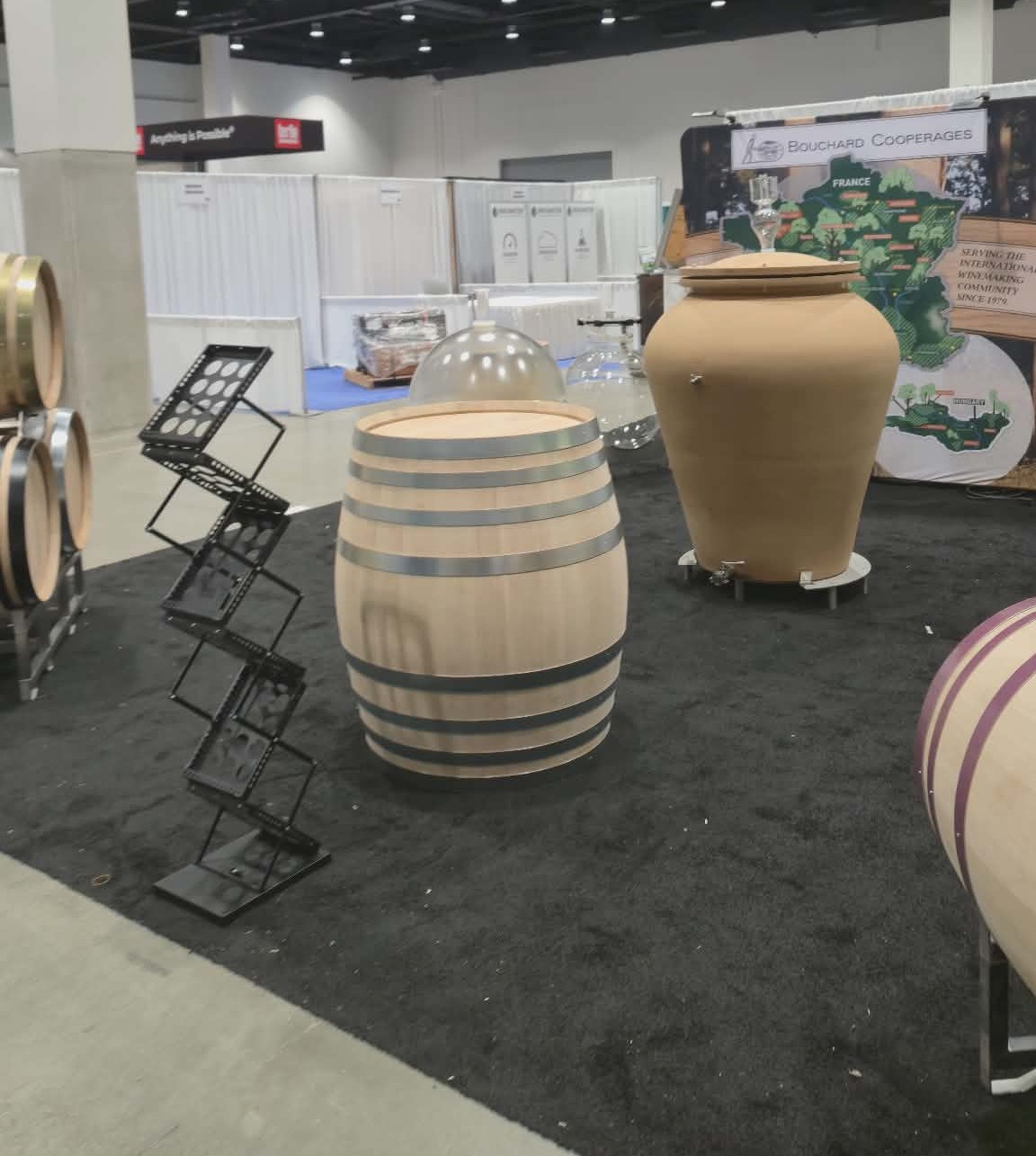
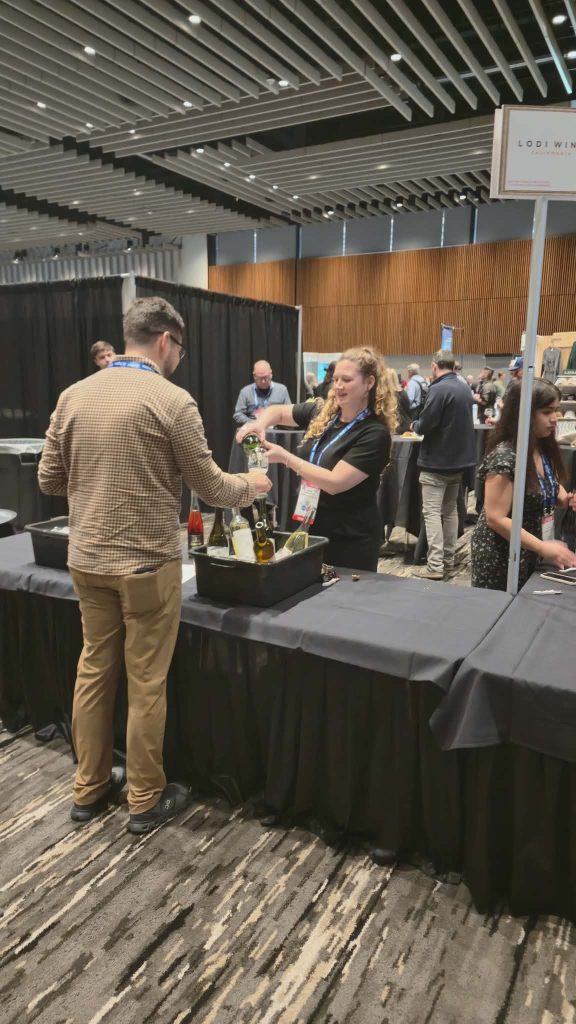
The 2026 Unified Wine & Grape Symposium just wrapped in Sacramento, and if you missed it, you missed something electric. January 27-29 brought together thousands of wine professionals at the SAFE Credit Union Convention Center for three days that felt more like a catalyst than a conference. This wasn’t about dwelling on challenges—it was about reframing the narrative and seizing the opportunities hiding in plain sight.
The Big Picture: Challenges Meet Opportunity
Let’s be honest about where we are. Wine consumption has declined, with American wine drinkers dropping from 34% to 29% of adults in just two years. The macro environment feels challenging, younger generations are drinking differently, and the commercial landscape is tighter than it’s been in years.
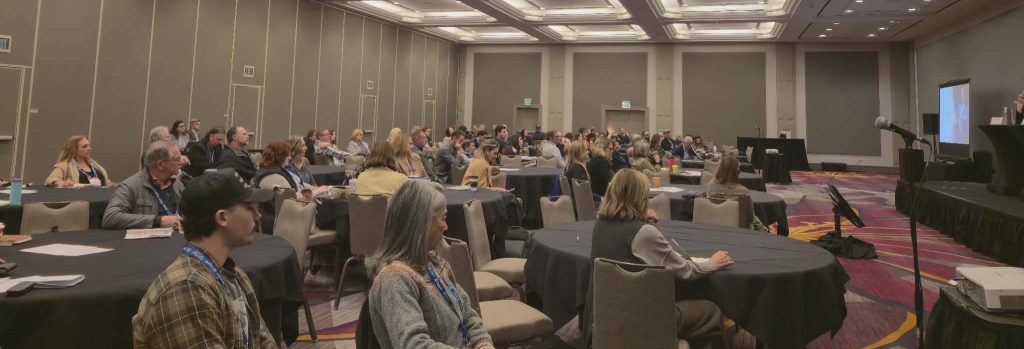
But here’s what made Unified 2026 different: instead of hand-wringing, the industry’s brightest minds showed up with data, strategies, and actionable insights about what’s actually working. The message was clear—this isn’t the end of the story. It’s the beginning of a smarter, more innovative chapter.
The Wellness Revolution Is Here (And It’s Not What You Think)
Dr. Liz Thach from the Wine Market Council shared compelling data that should excite every wine brand paying attention. The wellness trend isn’t about people abandoning wine—it’s about meeting consumers where they are with products that align with their values.
Here’s what’s growing:
- Non-alcoholic wine is experiencing continued double-digit growth, with 38% of wine consumers now substituting non-alcoholic beverages for wine on occasion
- “Better for you” wines with no added sugar are resonating, especially with younger consumers
The opportunity? Stop thinking about wellness as a threat.


Format Follows Occasion: The Premiumization Paradox
Here’s a trend that’s reshaping the entire category: wine RTDs, spritzers, and premium alternative packaging are exploding. Gen Z and Millennials are consuming wine cocktails and RTDs at significantly higher rates than older generations. This isn’t about trading down—it’s about matching format to occasion.
The data revealed a counterintuitive finding: while volume declined by 10%, consumer spending on wine grew by 5% in 2023. People aren’t drinking less wine because they love it less. They’re being more selective, choosing premium experiences, and exploring different formats for different moments.
Smart brands are responding by:
- Launching wine-based RTDs and cocktails that compete in the ready-to-drink space
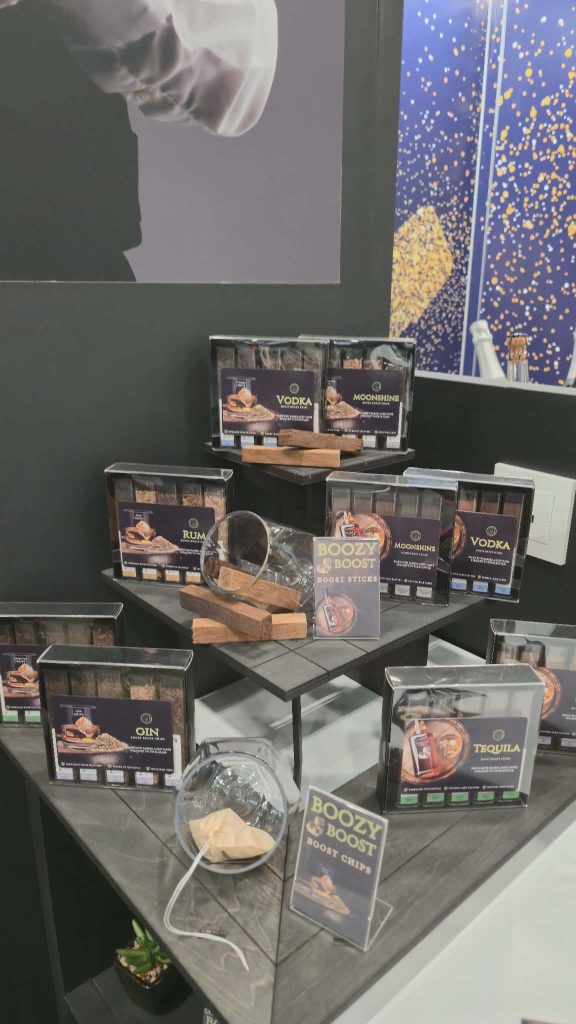
- Innovating with premium alternative packaging under 750ml (cans, tetra packs, glass)
The Digital Imperative: Court the Influencers
One of the most forward-looking presentations emphasized what we’ve been saying all along at BevFluence: your digital presence is no longer optional. TikTok usage among wine consumers jumped 5% from 2023 to 2025, now reaching 45% of wine drinkers. Overall, social media usage among wine consumers reached 96%.
The winning strategies include:
- Getting creative with online presence across social, ads, and websites
- Developing online games and quizzes to match wine styles, occasions, and cuisines with consumers
- Creating unique messaging and imaging for each generation
- Partnering with influencers who authentically connect with your brand values
This is where data-driven influencer marketing delivers measurable ROI. Research presented at the symposium confirmed what we already know: properly selected influencers with highly engaged followers can transfer that engagement to campaigns, increasing purchase intent by up to 27%.
The Supply Side Has Responded
Steve Fredricks from Turrentine Brokerage presented compelling data showing the supply side is already adjusting. Statewide, tons crushed in California have declined; bulk pricing is normalizing across regions; and globally, major wine-producing countries are managing supply through vineyard removals and reduced yields.
This isn’t a crisis—it’s a market correction. The brands that will thrive are those that prioritize profitability over volume, test innovation quickly, and build emotionally relevant connections with consumers.
The Path Forward: Innovation Grounded in Profitability
Perhaps the most powerful framework shared came from the industry veterans who’ve navigated multiple cycles. Their advice? Focus on discipline rather than scale. Build products around drinking moments, not categories. Sell emotionally relevant feelings first. Test small, move fast, and don’t chase short-term volume at the expense of profitability.
This is exactly the mindset that’s driving innovation across the beverage industry. The brands winning right now aren’t the biggest—they’re the ones willing to experiment, collaborate strategically, and stay laser-focused on delivering value to consumers.
What This Means for Your Brand
If you attended Unified 2026, you left with a clear mandate: the wine industry isn’t broken. It’s evolving. The opportunities are there for brands willing to: Reframe the conversation.
The conversations happening at Unified weren’t about surviving—they were about thriving. The data is clear, the strategies are proven, and the path forward is well-lit for brands ready to lean into innovation. Reframing does not mean changing the subject. It means changing the game!
Ready to revolutionize your wine marketing strategy? At BevFluence, we’re connecting brands with passionate beverage enthusiasts through data-driven events & campaigns that deliver measurable results. Let’s transform how you reach your audience. Connect with us to start the conversation.
The 2027 Unified Wine & Grape Symposium is already on our calendar for January 26-28, 2027. See you in Sacramento.