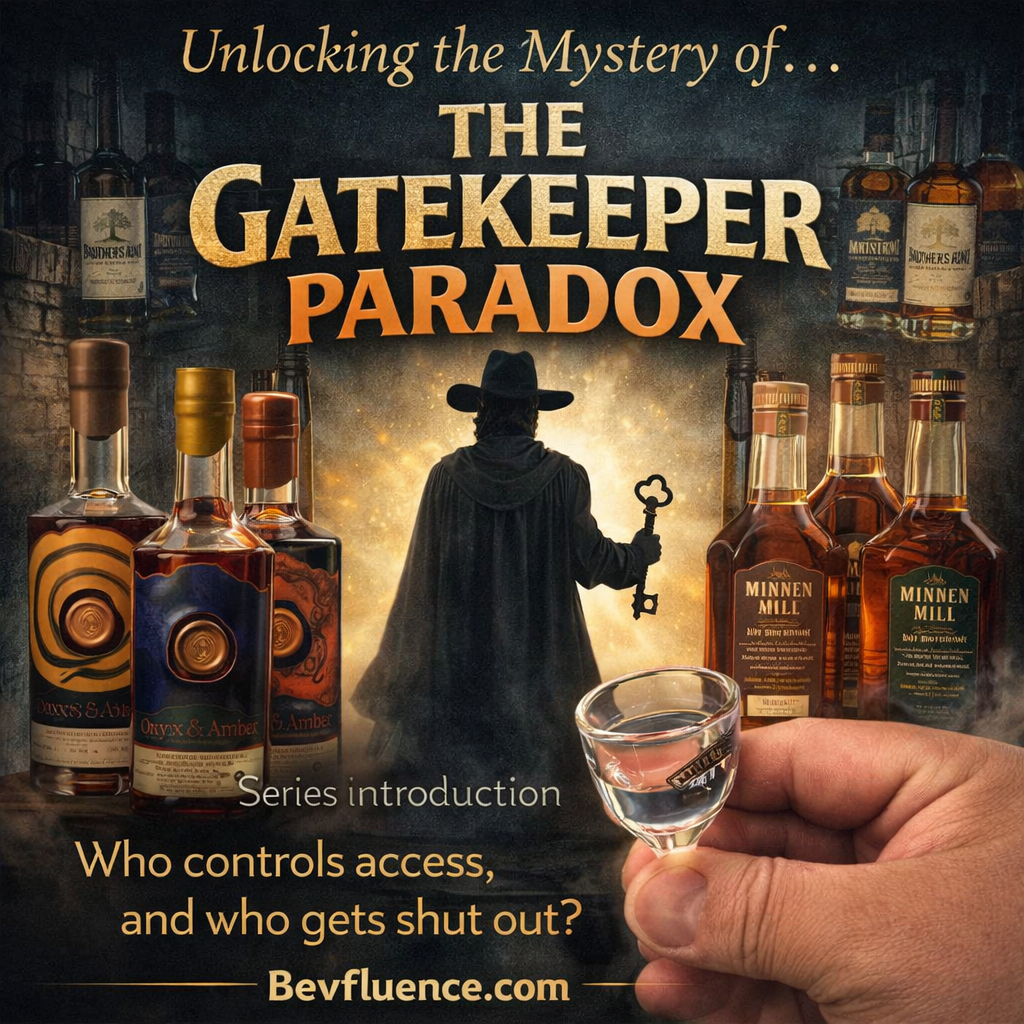
A BevFluence Series
Social Media | Gatekeeping | Fog City Social | Whiskey Culture | Community-Built Events
The Velvet Rope Moved
What a community-built whiskey event in San Francisco taught us about who actually controls access in the beverage industry — and what that means for every brand still knocking on the wrong doors.
Every few months, a think piece declares influencer marketing dead. The audiences are fatigued. The algorithms have changed. The ROI is gone. Nobody trusts a sponsored post anymore.
All of that is partially true. None of it means what the headline writers think it means.
Influencer marketing isn’t dying. The gatekeeping just moved. And if you’re a beverage brand still mapping your marketing strategy around the channels, publications, and events that controlled access five years ago, you’re not just behind. You’re invisible to the audiences that matter most.
The question isn’t whether social media changed the industry. It did — permanently, irrevocably, and in ways the industry is still processing. The question is who controls the room now. The honest answer is: it’s not what most brands think.
When the Gatekeeper Is an Admin
We tend to think of gatekeeping in the beverage industry as a function of institutions. The wine critic with the hundred-point scale. The award body with the gold medal. The regional association with the membership list. The trade publication with the import account relationships.
Those gatekeepers still exist. But they’ve been quietly flanked by something they didn’t see coming. Facebook group administrators. Reddit moderators. Discord community managers. Instagram community builders who assembled massive trust-based audiences around nothing more than genuine enthusiasm and consistent presence.
These are the new gatekeepers. They decide what content their communities see, which brands get a warm welcome and which get their posts removed, whose review gets pinned, and whose gets buried. And increasingly, they decide when the energy of an online community is ready to move offline — and what that looks like when it does.
Social media is architecturally a gatekeeping machine. The algorithms, the community rules, the ad targeting — all of it exists to control the flow of specific information to specific people. The impressions, reach, and engagement data that brands treat as ROI metrics are really just measurements of how effectively someone else is gatekeeping their audience’s attention. That’s the business model. That’s what you’re buying into when you try to reach these communities.
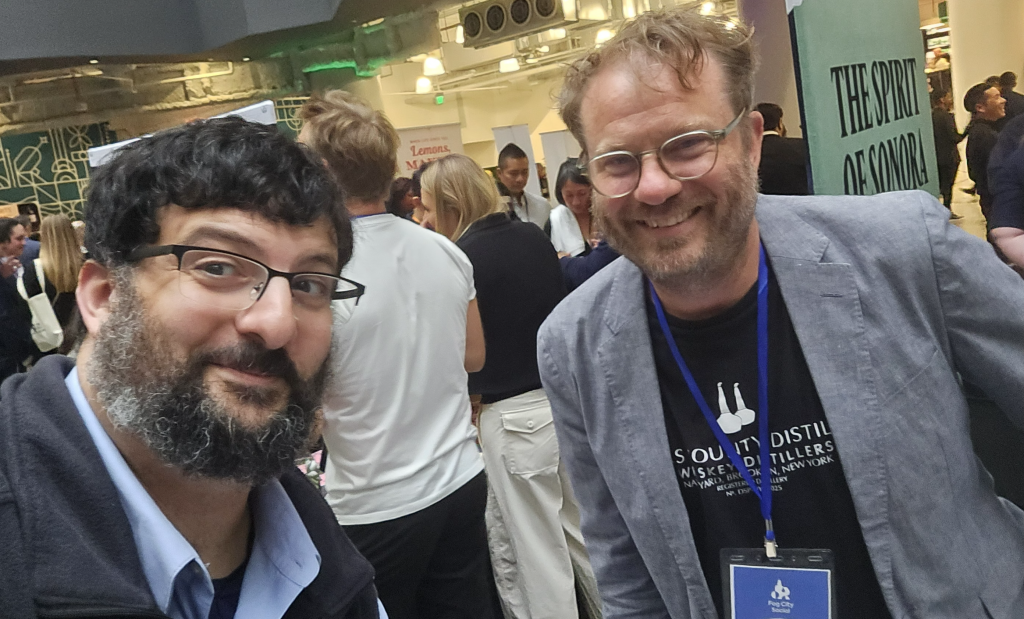
When Roland Ng hears the word “gatekeeping,” it comes off as negative. That’s most people’s instinct. But when you look at what gatekeeping truly is and its impacts in the beverage industry, the picture becomes more complicated than the word implies.
Roland Ng is a co-founder of Fog City Social — a whiskey event in San Francisco that has grown from a small community gathering into one of the most respected independent spirits festivals in Northern California. He’s also been a Facebook group moderator long enough to have real opinions about what that role actually means. His conclusion, which took years to arrive at: the problem was never gatekeeping itself. The problem was who was doing it and why.
Four Years of Events That Were Trying to Sell You Something
Over the past four years, our team at BevFluence has attended whiskey festivals, wine events, trade tastings, dinners, conferences, and numerous other industry gatherings. Nearly all of them had something in common. They felt, at their core, like a brand or a portfolio trying to sell you something. The educational component was a sales pitch with better lighting. The “curated experience” was inventory management dressed up as hospitality. The VIP tier existed to extract more money from the most enthusiastic consumers while delivering marginally better access to the same content.
This is what traditional gatekeeping looks like from the consumer’s side of the velvet rope. The events weren’t necessarily bad. Some were genuinely enjoyable. But they were optimized for the wrong outcome — for the brand’s conversion goal rather than the attendee’s experience. And the most engaged, most knowledgeable, most community-connected consumers in the room could feel it. They always can.
“What I need in attendance is to learn something — to gain knowledge of a brand, or taste something I haven’t tasted before. If that’s not happening, it’s not worth going to these festivals.”
That line, from one of the Fog City Social founders in conversation before the event, landed because it’s what every serious enthusiast in any beverage category eventually concludes. The casual consumer keeps showing up for the party. The person who actually drives purchase decisions and shapes community opinion walks away and finds something better.
Fog City Social is what they found.
The Room Doesn’t Lie
Fog City Social V drew approximately 800 attendees and more than 70 brand portfolios.
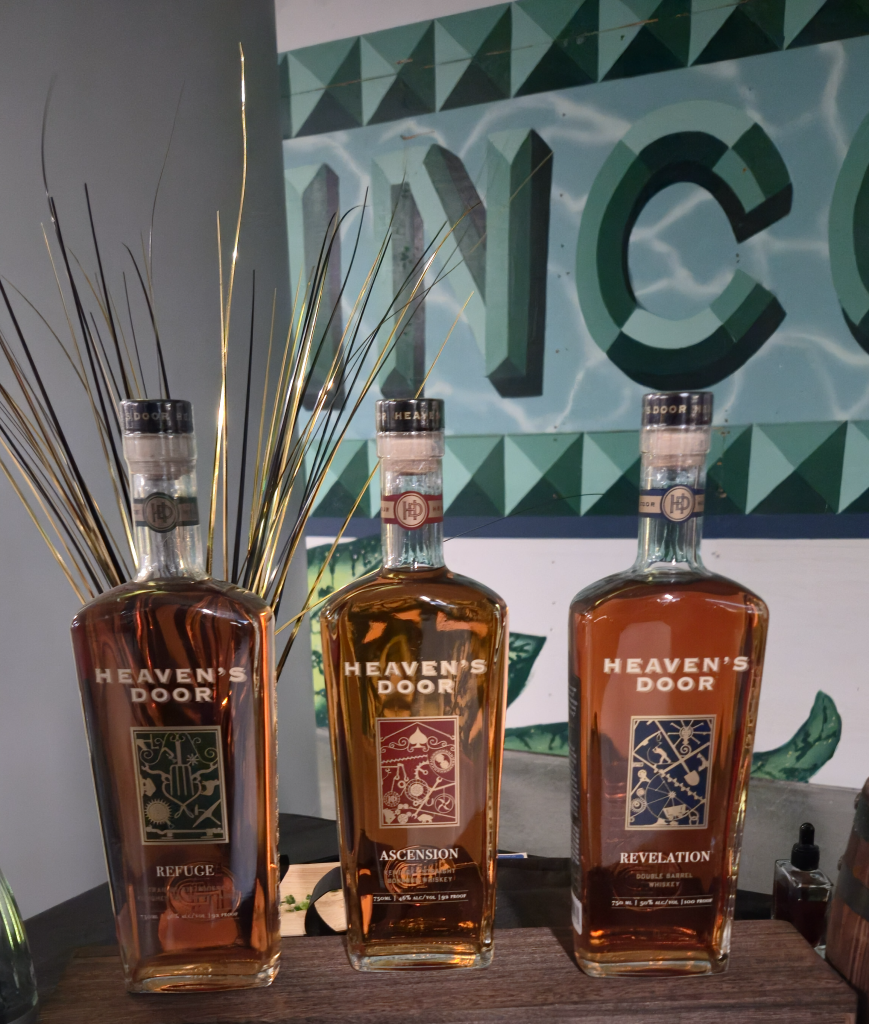
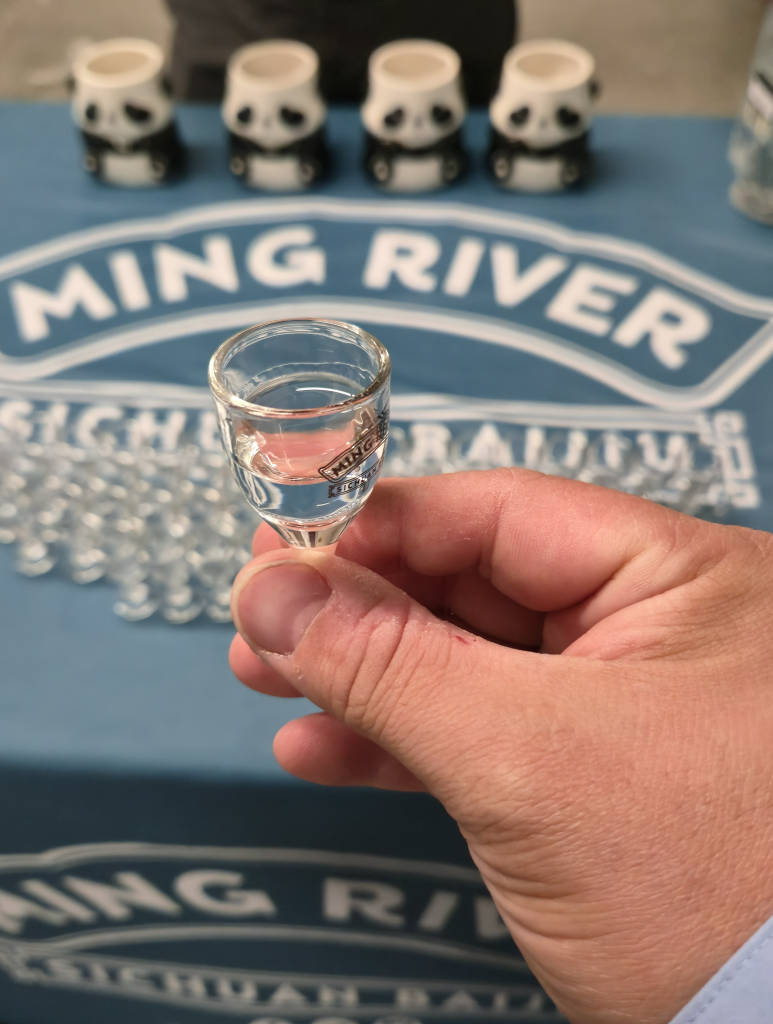
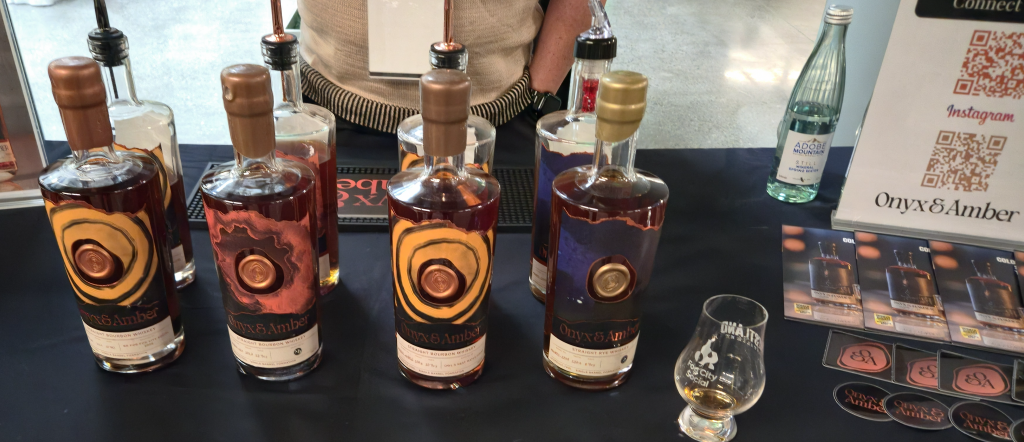
“We had whisky from every whisky category and from every continent. In addition, we showcased rums, tequilas, mezcals, bacanoras, gins, vodkas, aperitifs, aquavits, tea spirits, baijius, RTD cocktails, freshly made cocktails — and I am sure a few other unique things showed up unannounced. We also had chocolate pairings and custom-made chocolate, whisky cordials, and a bevy of exceptional cigars. What a night.” — Marcello Grande, co-founder, Fog City Social
On paper, that scale sounds like every other spirits festival I’ve walked into. The difference wasn’t the numbers. It was the room.
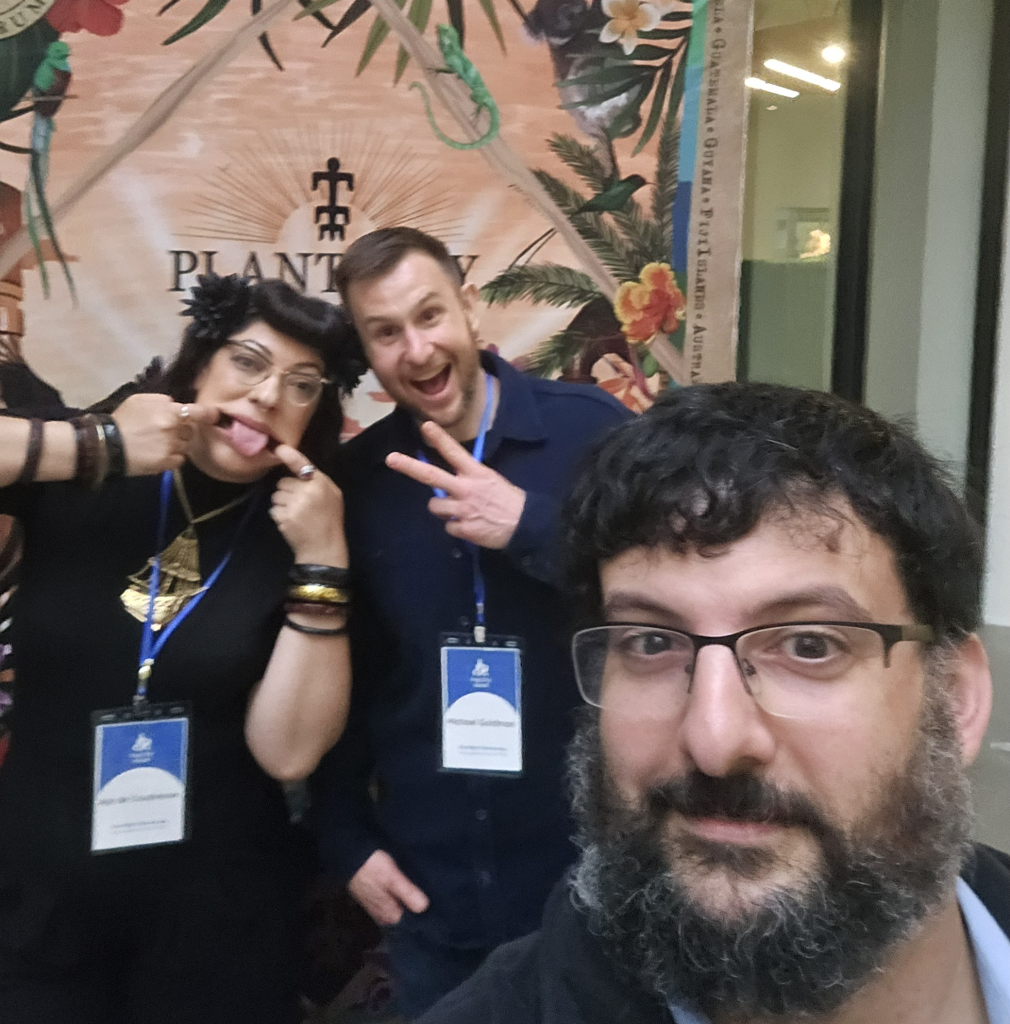
The crowd skewed younger and more diverse than any whiskey event I’d attended in years. Not performatively diverse — actually diverse, in the way that suggests a community built on genuine inclusion rather than a demographic strategy. This was not the typical old white guy whiskey event. The people in this room were different, and that didn’t happen by accident. It happened because the people who built it cared about who showed up, not just how many.
The brands present ranged from major portfolio players with the budget to be everywhere to small producers who were clearly there because the event’s founders believed in what they were pouring. Space was built in for conversation — actual breathing room to slow down, hydrate, and talk. That’s rarer than it sounds at events this size.
“Fog City Social has always been selective to ensure the right brands are in the room — brands that we feel will excite and delight our audience of spirits lovers. We always try to work with brands to find a suitable solution to them exhibiting, no matter how early or late they sign up, space permitting.” — Marcello Grande, co-founder, Fog City Social
The brands that didn’t make it in weren’t excluded for not being able to pay. They were excluded because they weren’t right for the room. In the traditional festival circuit, that distinction has largely been abandoned in favor of whoever can write the check for the sponsorship tier. Here, it still meant something.
No VIP. Everyone Gets the Same Pour.
Here is the single most telling decision Fog City Social made — and the one that best illustrates why community-built events are eating traditional festivals for lunch.
There is no VIP tier at Fog City Social.
“We do not do VIP,” Roland told me. “We want everyone to have the same experience and great pours.”
Brands pushed back on this. More than one told the founders they were crazy for leaving money on the table — that a VIP hour, a premium access tier, and an early-entry window for an upcharge were obvious revenue they were walking past. Roland and Marcello held the line anyway.
Think about what that decision means. Every traditional festival in the spirits space has a VIP tier. It’s the default monetization lever. It’s how you reward the most enthusiastic consumers by letting them pay more for marginally better access to the same room. It stratifies the audience upon arrival and immediately signals that your experience at this event is proportional to what you spent to get in.
Fog City Social looked at that model and said no. Everyone gets the same access. Everyone gets the same pours. The person at the door with a general admission ticket gets the same conversation with the distiller as the person next to them.
That’s not a business decision. That’s a values decision. And values decisions are exactly how you build the kind of community that eventually fills a room with 800 people who actually want to be there.
The Founders Who Don’t Think of Themselves as Gatekeepers
Here’s what struck me most about Roland and Marcello as I talked with them: they genuinely don’t think of themselves as gatekeepers. They think of themselves as protectors.
“We came together as friends to become something organic. Our particular flavor is about inclusion.” — Marcello Grande, co-founder, Fog City Social
That framing — protection rather than restriction, inclusion rather than exclusion — is what separates a community-built event from a brand-built one. When Roland talks about being protective of the group, he means protecting it from dilution, from spam, from the creeping commercialization that turns a genuine community into a marketing channel. He’s not keeping people out. He’s keeping the community’s character intact so that the people inside it continue to trust each other.
The groups that lost their identity — that became brand boards, that let the promotional content flood in because a membership fee from a brand account looked good — are the cautionary tale. The audience is often still there in numbers. The trust is gone. And without trust, the numbers don’t mean anything to anyone worth reaching. “We have never had the intention of being the biggest show ever.” — Roland Ng, co-founder, Fog City Social
From Group Chat to This Room: Years in the Making
Fog City Social didn’t appear fully formed. It took years of the slow, unglamorous community-building work that doesn’t have a marketing strategy attached to it — house tastings, barrel programs, member meetups, the kind of offline experiments that most online communities try once and abandon.
Moving a community from a comment section into an actual room is harder than it sounds. Most groups that try it fail. The community that exists in a thread is a different creature from the community that has to show up at a venue, buy a ticket, and talk to strangers. The event only works when the online community has built enough genuine trust that showing up feels like seeing friends rather than attending a function.
The lead of the Fog City Social barrel team, Jamie, puts it simply: “It’s not about drinking more. It’s about drinking better.” That philosophy runs through everything the event does. When you build a community around genuine curiosity and the pursuit of quality over access and exclusivity, the people who show up are the right people. And the right people attract the right brands.
When the Brand That Doesn’t Need You Shows Up Anyway
One of the more telling details from my conversation with Roland involved St. George Spirits — the Alameda, California distillery that is, by any measure, one of the most established and respected craft operations in the country. St. George has been doing this for decades. They don’t need the exposure.
For years, they didn’t come to Fog City Social. They watched it. And then, after years of watching this community-built event do what traditional festivals weren’t, they got involved — hosting a Whiskey Week session alongside Ki One Distillery on being the first and how hard that is. A club-only event. Library expressions. Over a dozen formal pours.
St. George didn’t need Fog City Social’s audience. They came because the event had built something worth being part of. That’s the signal. Not the attendance numbers, not the press coverage, not the sponsorship deck. When a brand that could be anywhere chooses to be there, the event has arrived.
What the Right Brands Actually Did in That Room
The brands that showed up at Fog City Social in the right spirit understood something that most festival participants miss entirely.
Marcello put it better than any brand brief could.
“My wife’s a great example. She does not like whiskey. She comes every year — her friends do like whiskey, so they take her around. And every year she finds one thing she really likes. She’ll write it down, come find me, and say, ‘Babe, I found something I like.’ Good news — we have that at home. So that becomes what I give her on the weekends.”
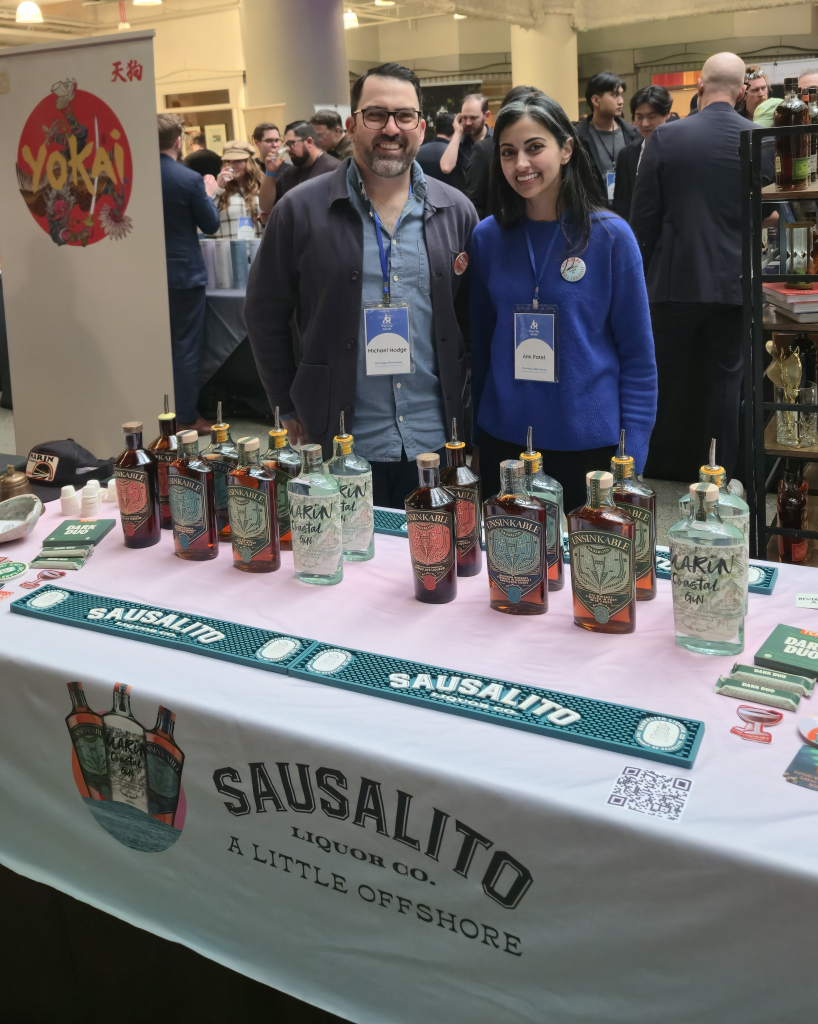
That’s the whole thesis of what Fog City Social built. Not a festival for experts. A room where anyone who shows up curious leaves with something. The brands that understood that had conversations all night. The ones that didn’t stood behind their tables waiting for someone who already knew their product to come validate them.
The New Rules Nobody Handed You
Here’s where the gatekeeping conversation gets complicated. The new gatekeepers have rules too — and in some ways they’re more restrictive than the ones they replaced.
In most whiskey Facebook groups, you cannot post promotional content. You cannot represent a brand account. In some communities, you can’t post a link to your own review if it lives on a commercial platform. The moderators who enforce these rules are doing exactly what the traditional gatekeepers did: controlling what their audience sees, protecting the community’s character, and deciding who gets amplified and who gets removed.
The difference is the motivation. The traditional gatekeeper kept things out to protect institutional power and commercial relationships. The community moderator keeps things out to protect trust. Both are gatekeeping. One serves the gatekeeper. One serves the community.
Consumers carry responsibility here, too. The most valuable information about a product, a brand, or an event is rarely the first post you see on any platform. Algorithms are designed to show you what you already agree with, what reinforces the preferences you’ve already expressed. Finding something genuinely new requires effort. That effort is worth making — and the communities that reward it are the ones producing the most valuable gatekeeping in the industry right now.
Social media is not going away. Brands, regions, and gatekeepers need to figure out new ways of engaging an audience — or the audience will keep building its own events and leaving them out entirely. Fog City Social is proof that they already are.
What This Means for Brands
The traditional festival circuit isn’t dead. Publisher-hosted events, trade tastings, and award programs still generate meaningful exposure for brands that know how to use them. But they are no longer the primary access point to the most influential consumers in your category.
Those consumers are in Facebook groups. They’re on subreddits. They’re in Discord communities. They’re at events like Fog City Social — events they built themselves because the existing options stopped serving them. They have enormous influence over what their communities buy, discuss, and celebrate. And they are deeply, instinctively suspicious of brands that show up transactionally.
The brands finding new audiences right now are the ones showing up as participants before they show up as marketers. The ones whose presence in a community predates any commercial interest. The ones whose founders or brand ambassadors are in the group because they actually love the category — not because a marketing manager put it in a deck.
If that sounds like a long game, it is. It’s also the only game that consistently works with the audiences that matter most.
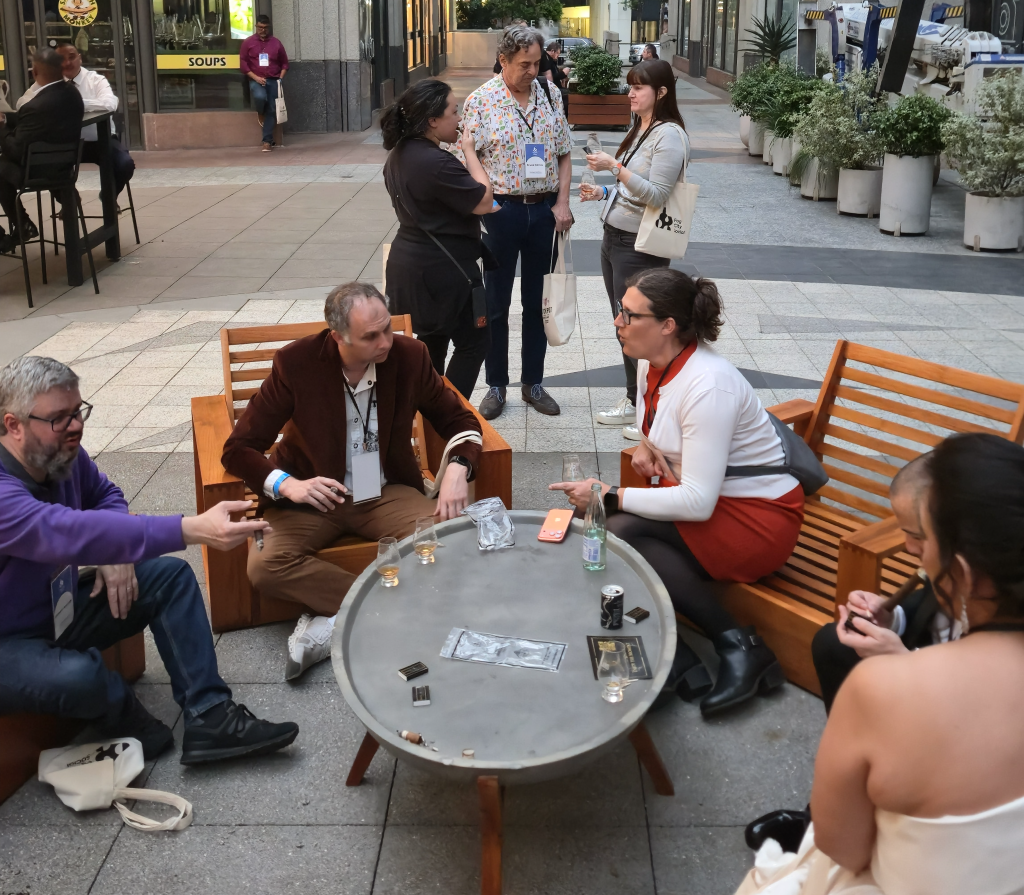
I had a great time at Fog City Social V, and I’m already looking forward to covering the show next year.
Cheers, J
→ The Gatekeeper Paradox continues in Part Two — the wine region associations, trade guilds, and industry organizations that were built to democratize access and quietly became its biggest obstacle. Follow BevFluence at bevfluence.com.
SOURCES & ATTRIBUTION: Quotes from Marcello Grande and Roland Ng are drawn from interviews conducted in connection with Fog City Social V, San Francisco, 2026. BevFluence attended Fog City Social V as press. All brand and attendance figures are as reported by Fog City Social organizers.