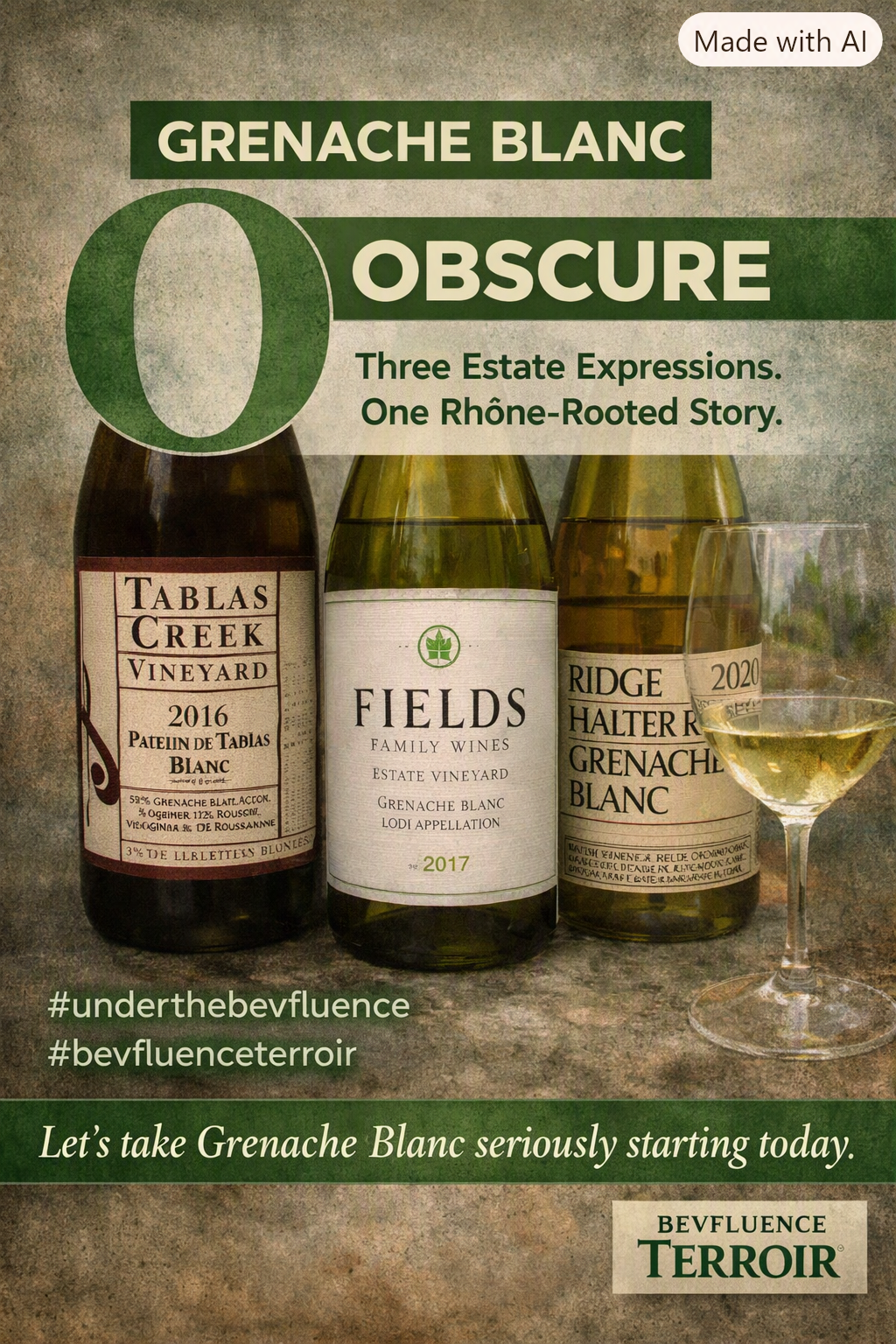
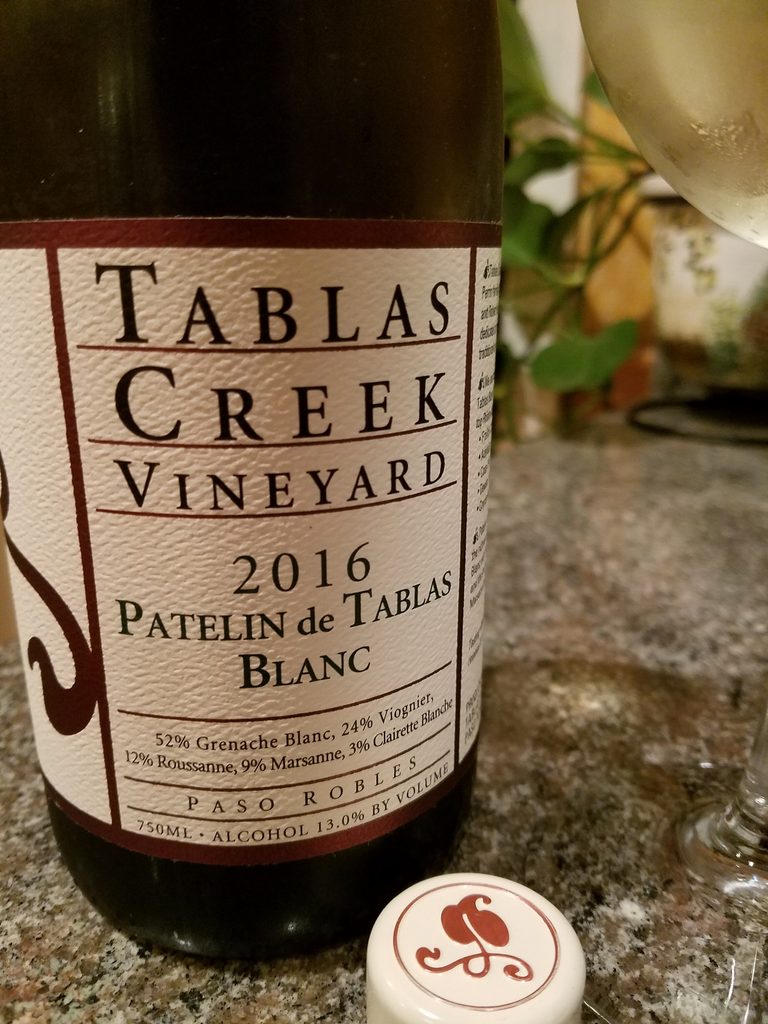
California’s Grenache Blanc didn’t happen by accident. In the late 1980s, Tablas Creek Vineyard imported the cuttings directly from Château de Beaucastel in the Southern Rhône and planted them in Paso Robles — a documented transplant with an actual paper trail, not a case of an American producer independently discovering a European grape and reverse-engineering the style.
That documentation matters because it changes how the wine gets talked about. Grenache Blanc in California isn’t a New World interpretation guessing at what the Rhône original might taste like — it’s genetically the same plant material, grown on Paso Robles’ limestone-heavy Westside soils, which share more in common with the Southern Rhône’s own limestone and clay than most people assume before checking.
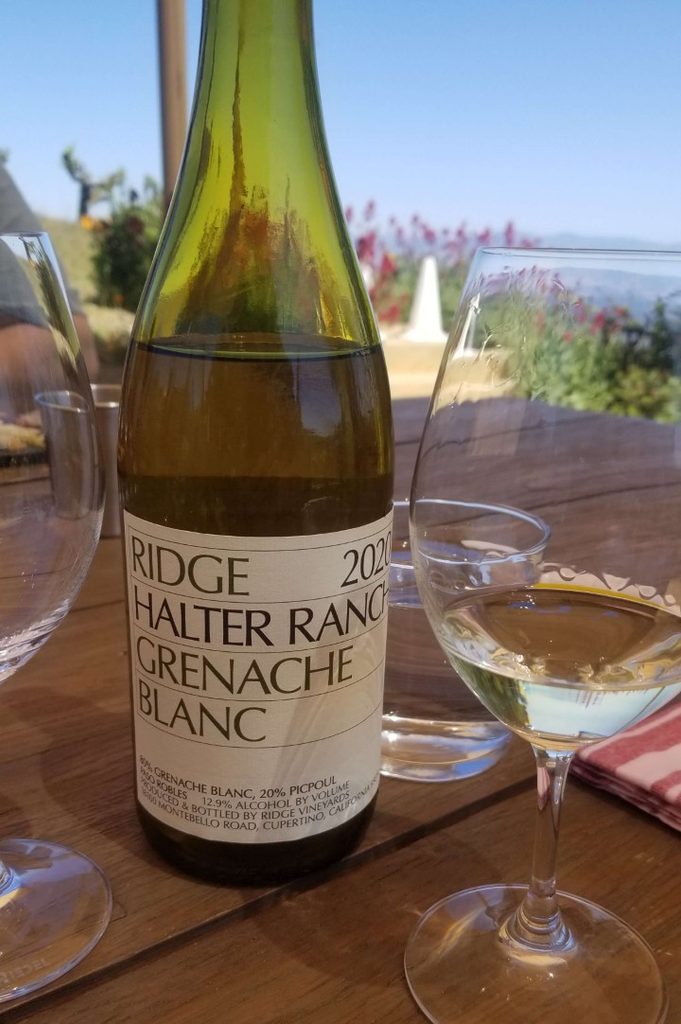
Ridge Vineyards, sourcing from Adelaida, Fossil Creek, and Halter Ranch, makes its 2024 Grenache Blanc as an 85% Grenache Blanc, 12% Picpoul, 3% Roussanne blend, fermented across stainless steel, oak, concrete, and amphora — four distinct vessels for one finished wine in a single vintage. That’s not a stylistic flourish; each vessel imparts a different textural and aromatic outcome, and blending across all four lets Ridge build complexity through fermentation vessel choice the same way other producers build it through vineyard blending alone.
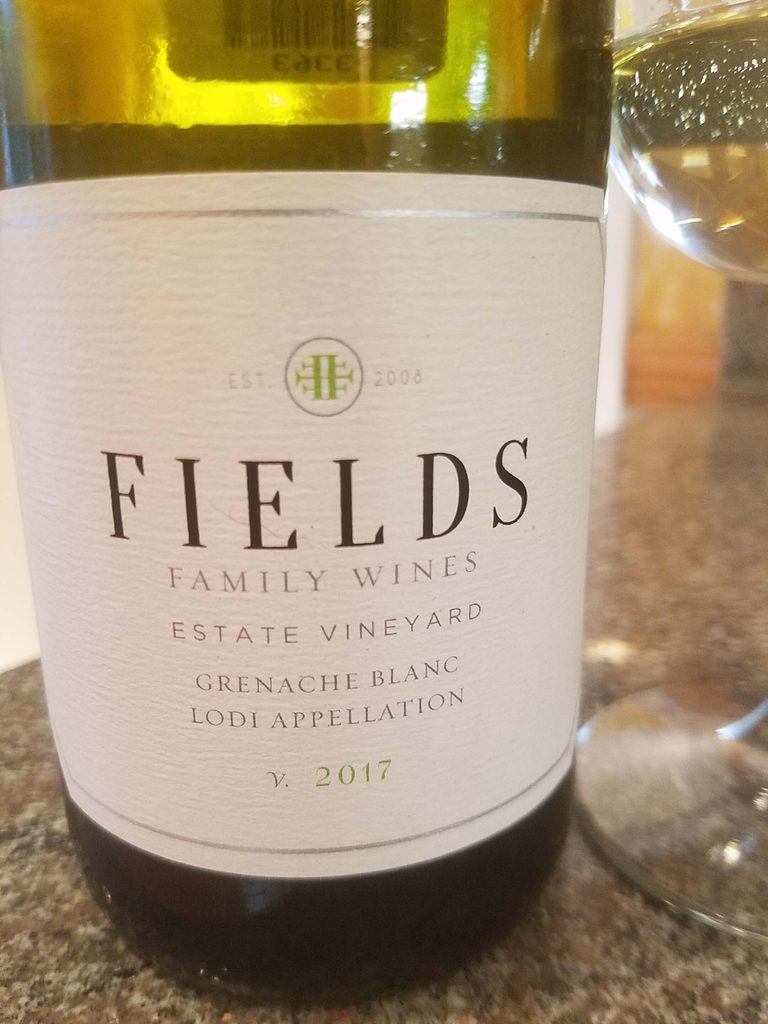
Fields Family Wines, farming its estate vines under Lodi’s delta‑cooled evening influence, brings a rounder‑textured, orchard‑and‑stone‑fruit counterpoint to California’s Grenache Blanc spectrum — proof the grape’s identity isn’t confined to coastal acidity or Paso Robles’ warm inland weight. And just as the Rhône Rangers keep Tablas Creek’s original import story alive in the broader Rhône‑variety conversation, Fields Family’s estate bottling ensures Grenache Blanc’s evolution stays rooted in producers who treat the grape as a living, ongoing narrative rather than a historical footnote.
A variety that arrived in California by way of a specific, documented cutting shipment isn’t a discovery story — it’s a paper trail. That’s what separates Grenache Blanc from a generic “emerging white wine” pitch: every bottle in this lineup can be traced to an actual import record and an actual vineyard block, from Tablas Creek’s original planting through Ridge’s four-vessel blend to Jaffurs’ coastal expression. That documentation also answers a question serious buyers tend to ask before anything else: is this a serious grape being taken seriously, or a marketing category built around vague New World enthusiasm? Grenache Blanc’s California story has a receipt attached to it. Not every “emerging” American white wine story does.
The grape’s behavior in the vineyard reinforces why Paso Robles turned out to be a credible second home rather than a convenient one. Grenache Blanc ripens relatively late and holds acidity well in warm climates compared to many white varieties, which matters directly in a region where daytime temperatures regularly exceed what most European white grapes can handle without turning flabby. Rhône Rangers has documented this climate compatibility as part of the broader case for Rhône varietals in California generally, but Grenache Blanc specifically benefits from Paso Robles’ dramatic day-to-night temperature swing — hot afternoons that build sugar, cool nights that preserve the acid structure Ridge and Fields Family both depend on for their finished wines. That diurnal swing is the same underlying mechanism serious Rhône Valley sites rely on, which is part of why Tablas Creek’s original bet on Paso Robles wasn’t a guess — it was a climate match made deliberately, decades before the rest of the American wine industry started talking about site-matching as a serious viticultural strategy rather than an afterthought. That head start is part of the argument for taking Grenache Blanc seriously today rather than treating it as a recent trend.
This window closes October 31, 2027. What’s happening in Grenache Blanc won’t wait for the next cycle. Be in it — bevfluence.com/terroir. #bevfluenceterroir #underthebevfluence