BevFluence Terroir Campaign: “R” is for Rye
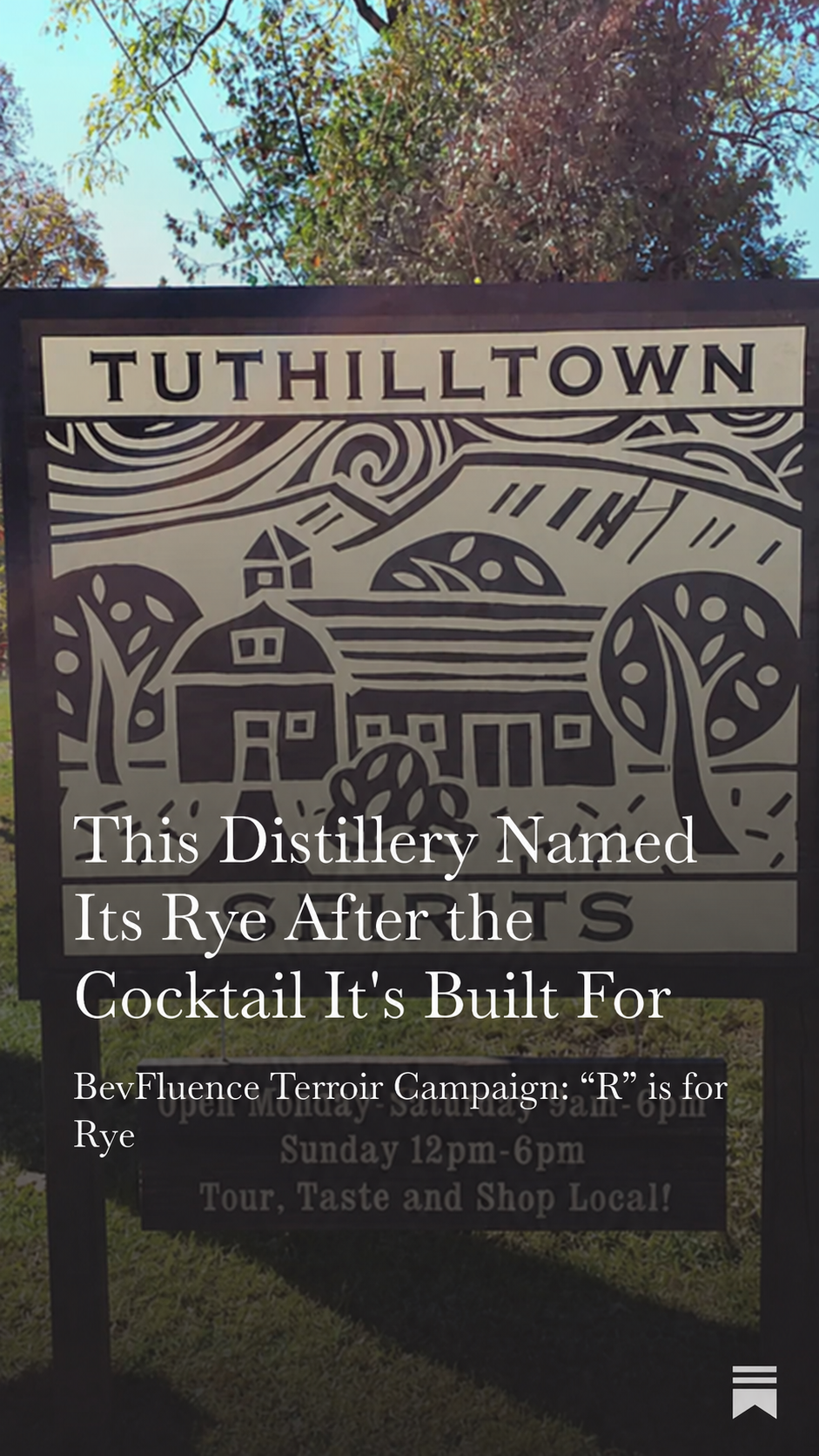
Tuthilltown Distillery, in Gardiner, New York, bottles its rye as Hudson Manhattan Rye — a name that states its intended use directly rather than leaving it to bartenders to figure out through trial and error the way most whiskey brands force drinkers to guess at cocktail applications from tasting notes alone. That naming decision is itself a small but telling production philosophy: rather than positioning the whiskey as an all-purpose sipper first and a mixing ingredient second, Tuthilltown built the brand identity around one specific, named application.
Tuthilltown operates as a genuine Hudson Valley farm distillery, drawing on the region’s agricultural identity in a way that connects the whiskey directly to the surrounding land rather than treating New York as an incidental production location chosen for tax or logistics reasons. That farm-distillery model, common across small-scale American whiskey producers over the past two decades, gives Tuthilltown’s rye a specific regional character tied to Hudson Valley grain sourcing and climate.
Widow Jane, in Brooklyn, works the same state’s rye identity from a completely different angle — an urban craft distillery angle rather than a rural farm-distillery one — with its Lucky Thirteen Rye. That urban-versus-rural split gives New York two genuinely distinct rye identities under one state’s roster: Tuthilltown’s Hudson Valley farm character on one side, Widow Jane’s Brooklyn urban craft positioning on the other, both operating within driving distance of each other but building from entirely different production and branding philosophies.
Widow Jane’s Brooklyn location matters beyond simple geography — urban distilling in a dense city environment presents genuinely different logistical challenges than rural farm distilling, from grain sourcing and storage space to barrel aging in a climate that lacks the Hudson Valley’s more dramatic seasonal temperature swings. Building a serious rye program under those urban constraints represents a different kind of production achievement than Tuthilltown’s farm-to-bottle model, even though both operations are working within the same state’s borders.
A named product that states its own cocktail application directly on the label is a more specific and useful claim for a bartender-facing campaign than “New York craft whiskey” as a generic regional descriptor. Hudson Manhattan Rye tells a bartender exactly what it was built to do before they’ve even opened the bottle, which is a rarer kind of production honesty than most whiskey branding actually offers.
Together, Tuthilltown and Widow Jane prove New York’s rye identity isn’t a single unified regional style waiting to be discovered — it’s at minimum two genuinely different production philosophies, rural and urban, both serious enough to build lasting brands around, coexisting within a state most drinkers don’t automatically associate with whiskey production at all.
This window closes October 31, 2027. What’s happening in New York State won’t wait for the next cycle. Be in it — bevfluence.com/terroir. #bevfluenceterroir #underthebevfluence