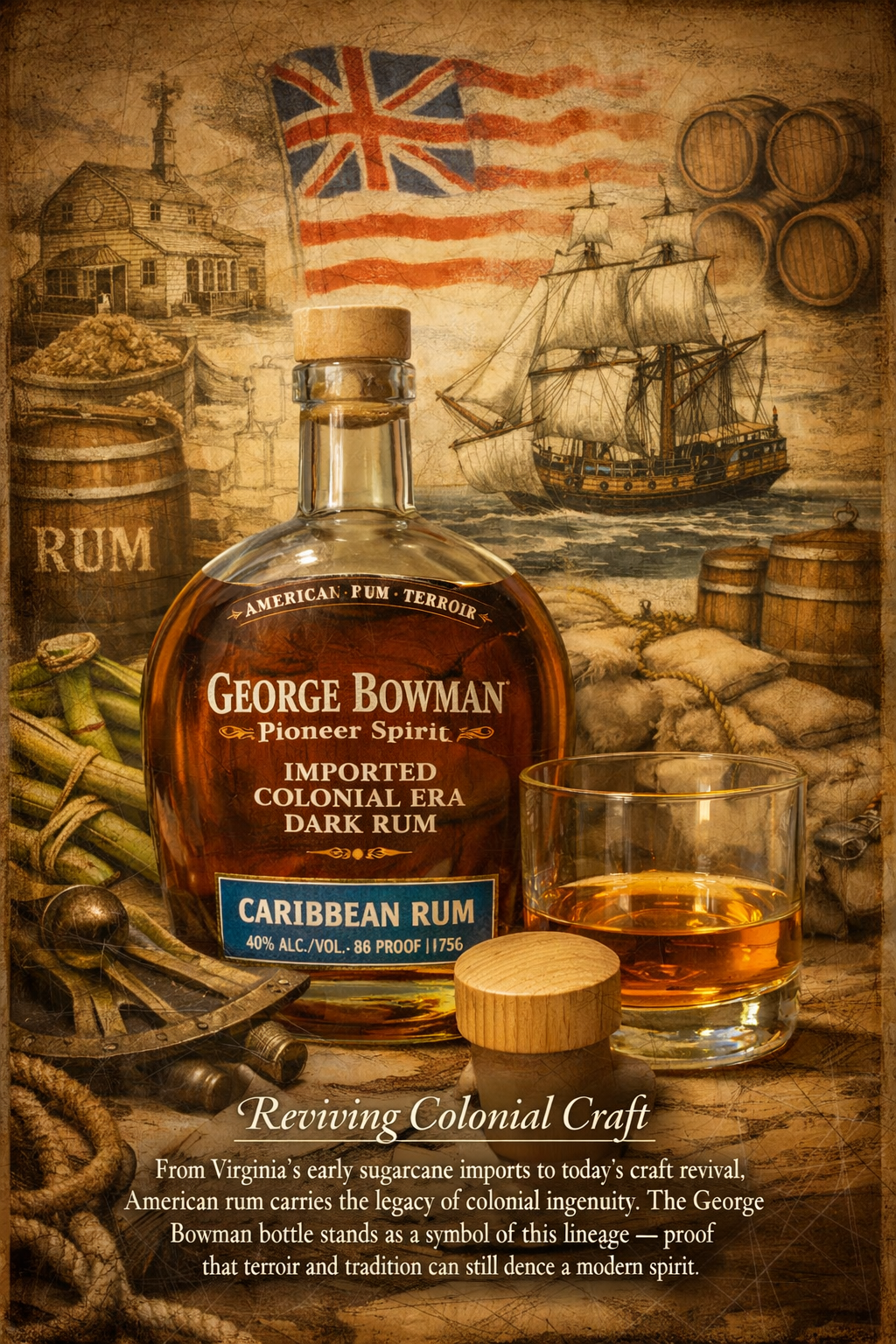
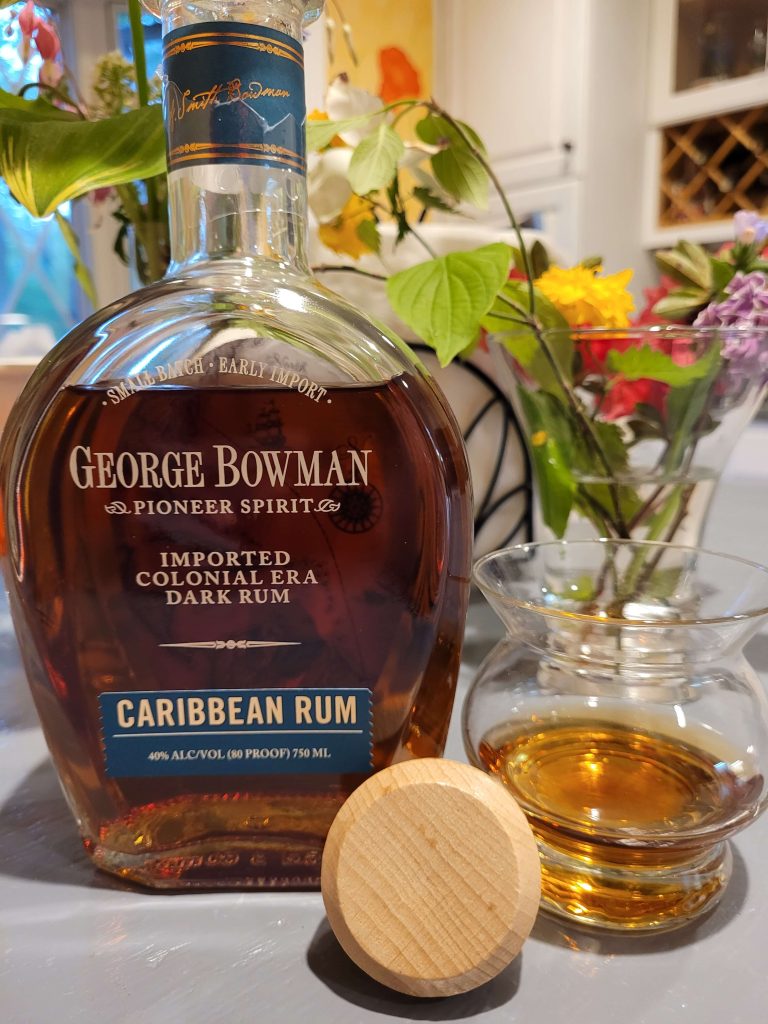
American rum occupies a curious place in the nation’s spirits landscape: historically foundational, technically diverse, and increasingly innovative—yet still far from the institutional recognition enjoyed by bourbon, rye, or even American single malt. The category’s roots run deep. Rum was the first widely produced spirit in the colonies, with New England distilleries converting Caribbean molasses into a domestic staple as early as the 1640s. By the mid‑18th century, rum was so embedded in daily life that consumption reached an estimated fourteen liters per person annually, effectively making it the national drink of colonial America. Its decline, however, was equally dramatic. British taxation—first the Molasses Act of 1733, then the Sugar Act of 1764—choked off affordable molasses imports, crippling the industry and paving the way for whiskey’s rise after the Revolution. Prohibition dealt another blow, and when legal drinking returned in 1933, Americans largely favored imported Caribbean rum rather than rebuilding a domestic tradition.
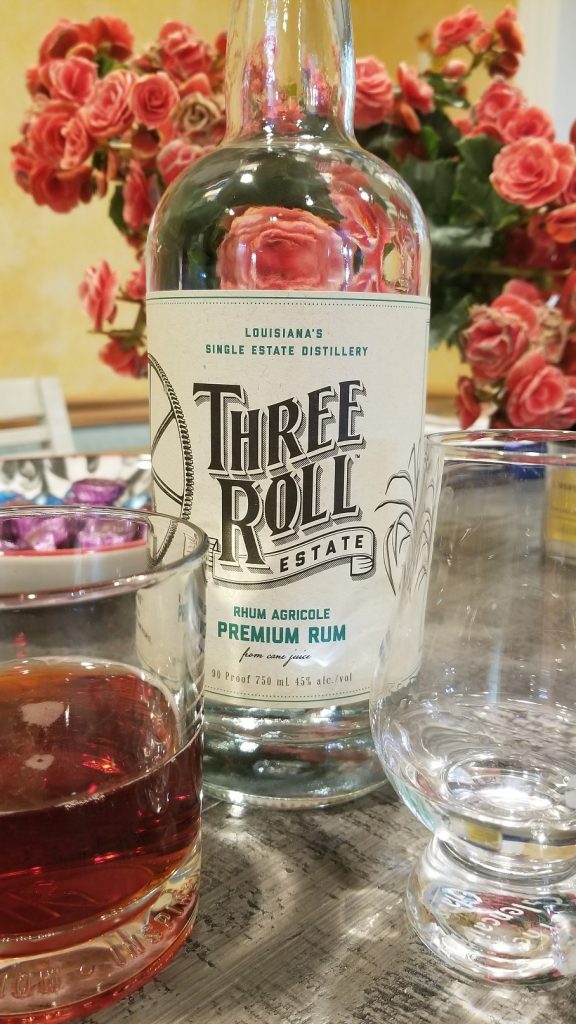
Despite this uneven trajectory, American rum has always been technically flexible. Producers can work with molasses, cane juice, cane syrup, or combinations of local sugars—each yielding distinct fermentation profiles and regional identities. Modern distillers mirror this diversity: some follow colonial models using imported molasses, while others emphasize local agriculture by fermenting domestic sugar or fresh cane juice where climate allows. This breadth should be a strength, yet it also contributes to the category’s fragmentation. Without a unified style, geographic indication, or widely recognized standards, American rum lacks the institutional scaffolding that helps consumers understand bourbon or tequila. Even though rum’s production methods are as rigorous and terroir‑expressive as any other spirit, the category still suffers from decades of marketing that reduced rum to a single “sweet” profile, obscuring its complexity and limiting its cultural standing.
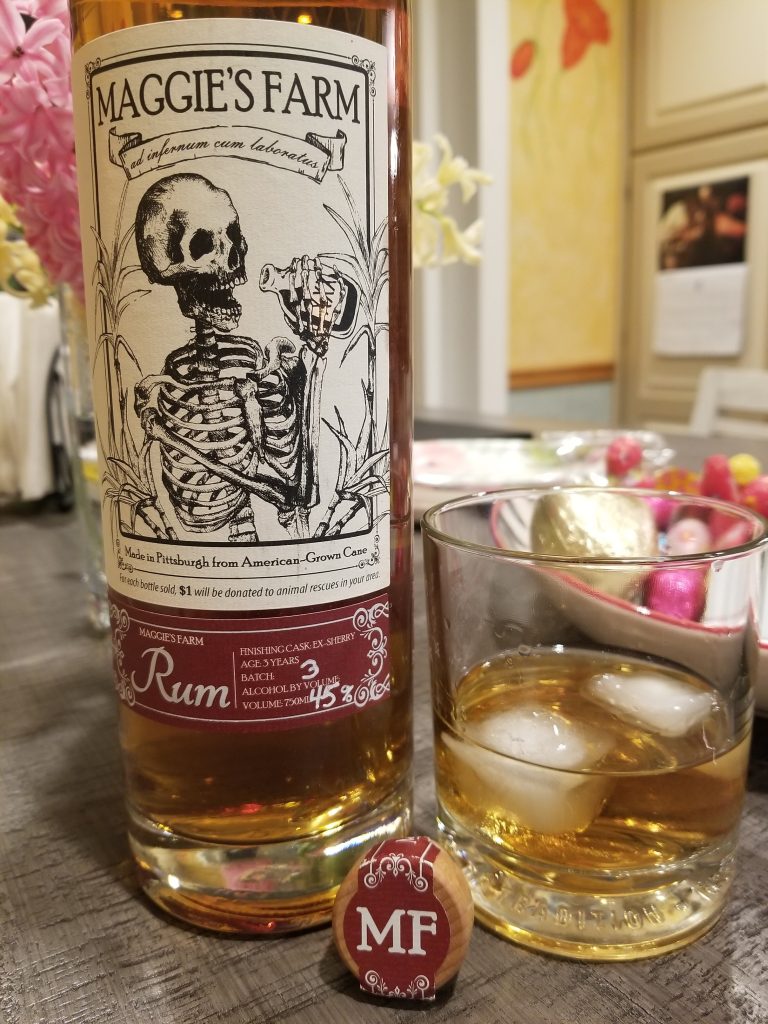
Today’s industry is in a quiet but meaningful revival. Craft distillers across the country—from New England to the Gulf Coast to Hawaii—are experimenting with fermentation techniques, aging environments, and blending traditions that reflect both local conditions and global rum heritage. This contemporary “rumaissance” has accelerated since the 2010s, driven by producers committed to transparency, regional identity, and technical precision. Yet the category still faces a central question: why isn’t American rum more popular or institutionally recognized, given its history and quality? Part of the answer lies in visibility. Rum lacks a cohesive national narrative, a shared educational platform, and the kind of coordinated promotion that has elevated other American spirits. Consumers may encounter excellent American rums, but they rarely encounter the category as a unified movement.
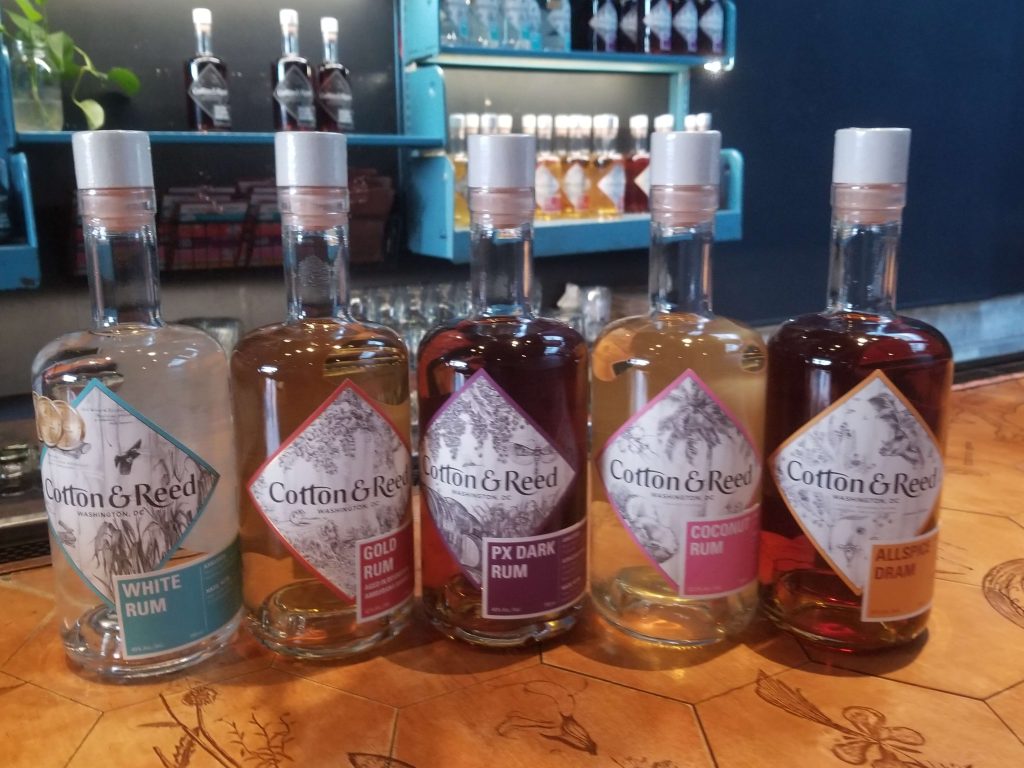
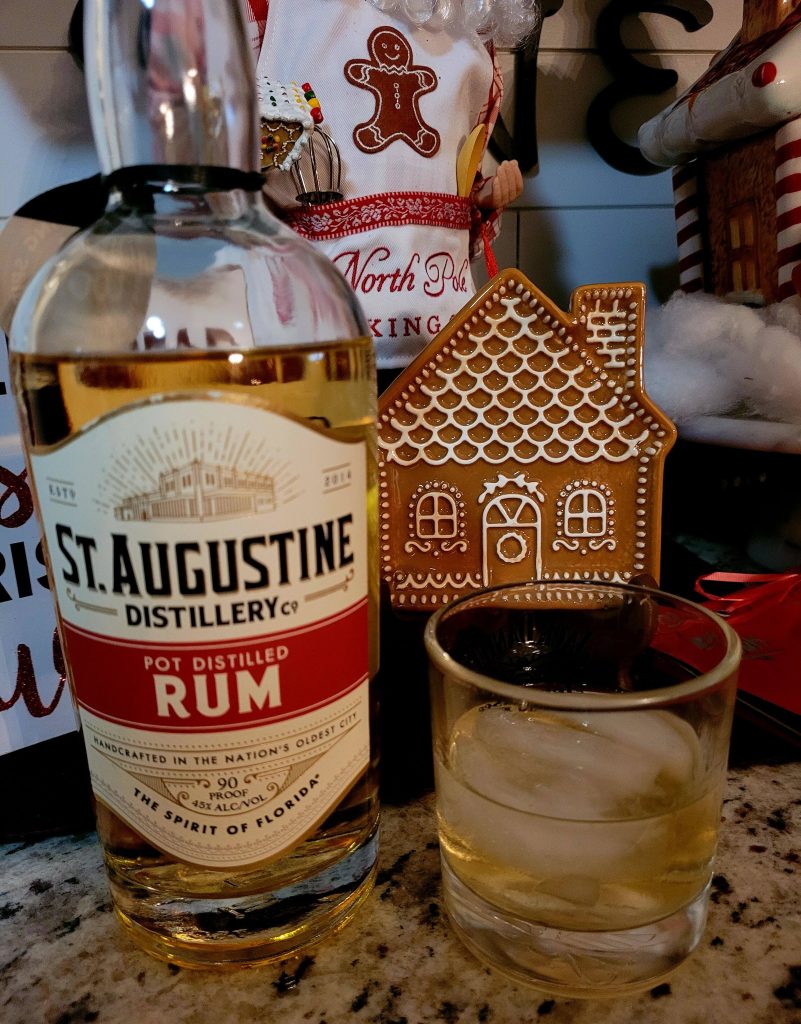
This is precisely where a coordinated industry effort becomes valuable, and why producers should consider participating in the BevFluence® TERROIR campaign. The initiative positions rum alongside six other beverage categories in a structured, cross‑regional storytelling framework—one that emphasizes diversity, place, and production identity. For rum producers, this offers something the category has long lacked: a collective voice that highlights rum’s historical significance, its technical range, and its modern revival as a serious American spirit. By situating American rum within a broader terroir‑driven narrative, the campaign helps counter outdated assumptions, elevates consumer understanding, and gives producers a platform to articulate what makes their rum distinctly American. In a category defined by fragmentation, TERROIR provides coherence. In a market crowded with louder spirits, it provides volume. And for an industry with centuries of heritage but limited institutional recognition, it offers a path toward the visibility American rum has long deserved.
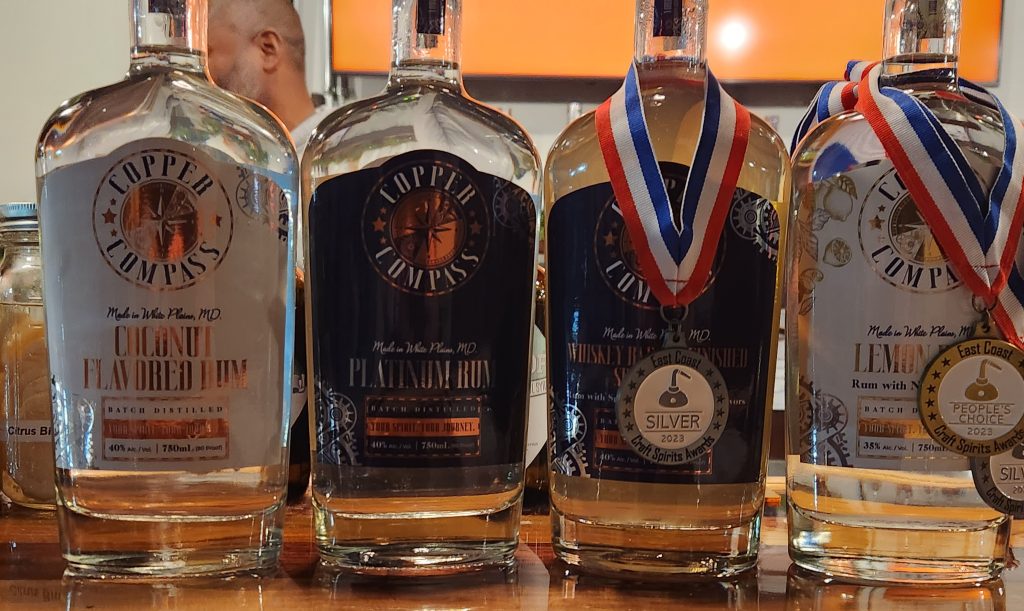
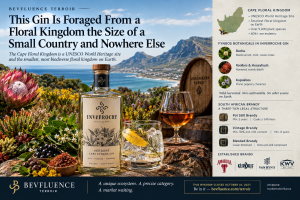
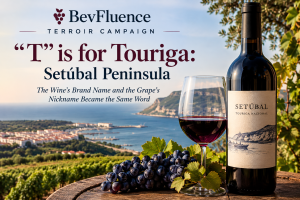
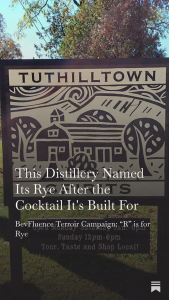
We built TERROIR as a multi-dimensional campaign across seven locked categories: Touriga Nacional and Portuguese varietals, Emerging spirits, Riesling, Rum, Obscure, Italian varietals, and Rye. TERROIR captures Rum at its greatest inflection point. Producers who enter this campaign gain access to the exact audience — adventurous, education-hungry, cocktail-forward bartenders — most likely to champion their products on menus and in guest conversations.
Every entry goes through a blind panel review and receives a score. That score is published in the BevFluence Spring 2027 Beverage Guide. It appears in multiple holiday gifting features. It travels.
But the blind tasting is, perhaps, the least interesting part.
Every entry is activated across a network of 292 creators producing original content. Posts, reels, stories, long-form reviews, and educational pieces. Your product reaches 3 million-plus engaged followers in the beverage community. Buyers, bartenders, enthusiasts, and decision-makers who care about what they drink and who makes it.
Every entry goes through BevFluence Bartender Labs, where professional bartenders work with your product, create cocktail content, and generate the kind of hands-on endorsement that cannot be bought in a single influencer deal. Every entry is featured in Creator Studios where branded content is produced with a level of polish and intent that reflects the quality of what is in the bottle.
And all of this sits inside a live Speakeasy event series. Intimate gatherings of 30 people maximum. Three days. Education, production access, curated tastings, and the kind of room where real industry relationships are made. Not the kind where you hand someone a business card and hope they remember you.
The Early Bird entry fee is $435. Six or more entries drops every single entry to $325. Standard pricing opens August 1 2026 at $600. The deadline is December 31, 2026.
For context: $435 is less than a single post from a micro-influencer with 50,000 followers. It is a fraction of a trade show booth deposit. It is a rounding error on a PR firm retainer.
What you get in return is the largest concentration of content creation, blind judging, editorial coverage, bartender activation, and live event exposure that any beverage brand can access in a single entry. Nothing else in the market combines these elements at this scale, at this price, with this level of editorial independence and craft-forward positioning.
The alcohol market is changing. That is not a crisis. It is a filter. The brands that understand where attention is moving, who is moving it, and how to get in front of the right people with the right message will emerge from this consolidation period with more ground, not less.
TERROIR is where that work gets done.
Entry is open now through the end of 2026. Early Bird pricing closes July 31.
Register at BevFluence Collaborations.
PDF Media Kit for TERRIOR Campaign.