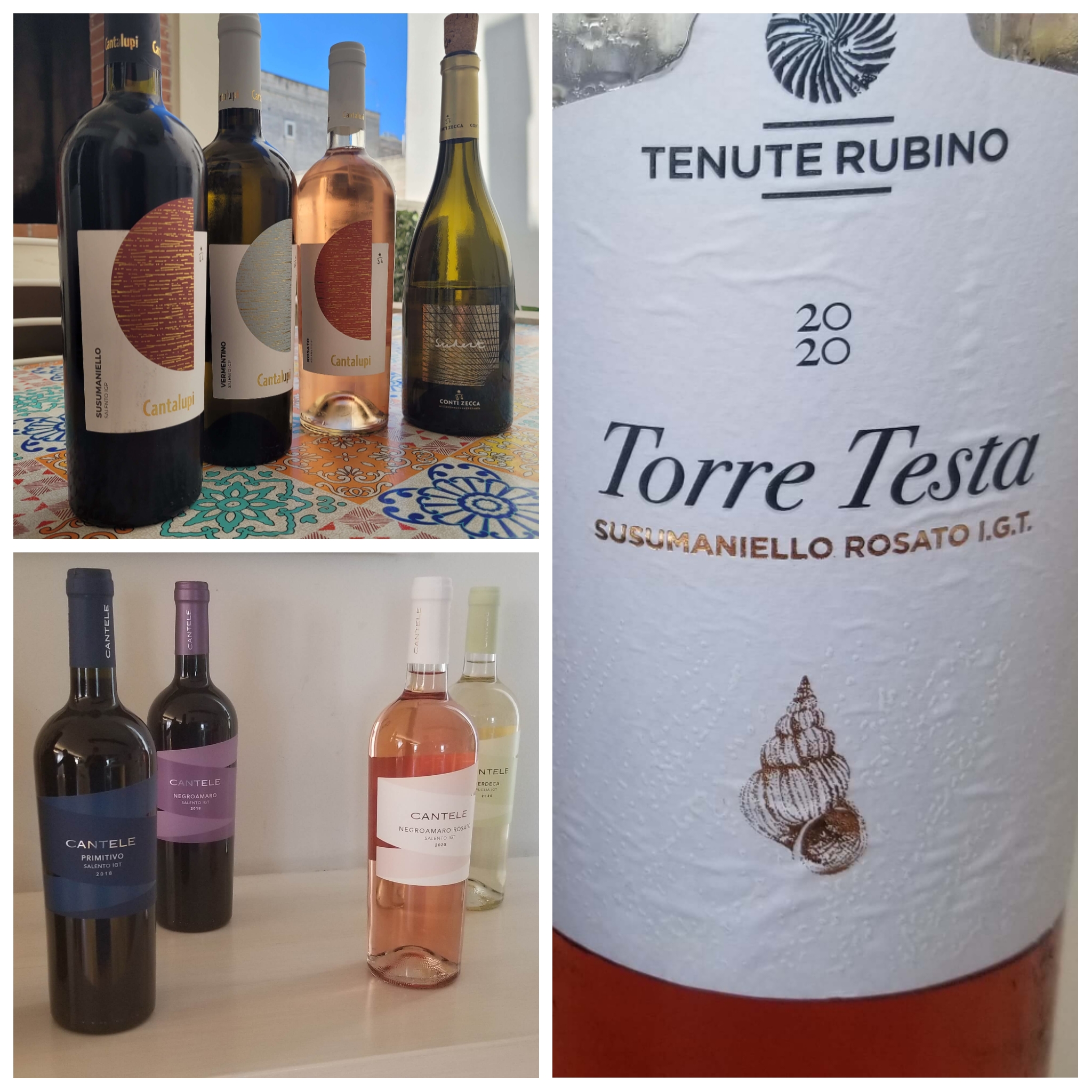
Puglia, the sun-drenched region that forms the heel of Italy’s boot, is home to a diverse wine culture shaped by warm Mediterranean conditions, coastal influences, and a wealth of indigenous grape varieties. Much of the region’s identity is found in Salento, the southern peninsula between the Adriatic and Ionian Seas, where wineries such as Cantele, Conti Zecca, and Tenute Rubino have helped highlight the distinct character of local vineyards and native grapes.
.
Located in Guagnano, Cantele is closely associated with Negroamaro, one of Puglia’s defining red varieties. The grape produces deeply colored wines with notes of black cherry, plum, Mediterranean herbs, and a subtle earthy character. Cantele has been instrumental in presenting Negroamaro both as a varietal wine and in traditional regional blends, while also working with grapes such as Primitivo and Malvasia Bianca.
.
In nearby Leverano, Conti Zecca farms vineyards that extend into Veglie and Salice Salentino, areas recognized for their suitability to native southern Italian varieties. Negroamaro remains at the center of the estate’s winemaking, complemented by Primitivo, a grape known for its ripe blackberry fruit, richness, and structure. The winery also cultivates Malvasia Nera, Fiano, Vermentino, and Susumaniello, demonstrating the broad diversity found across the Salento landscape.
.
Further north in the Brindisi area, Tenute Rubino has become one of the leading advocates for Susumaniello, an indigenous grape that nearly disappeared from the region. Working extensively with vineyards near the Adriatic coast, the winery has helped showcase Susumaniello’s potential for producing wines with dark berry flavors, spice, freshness, and vibrant acidity. Tenute Rubino also works with Negroamaro, including in wines such as Jaddico, where the two varieties are blended to express the character of the Brindisi terroir.